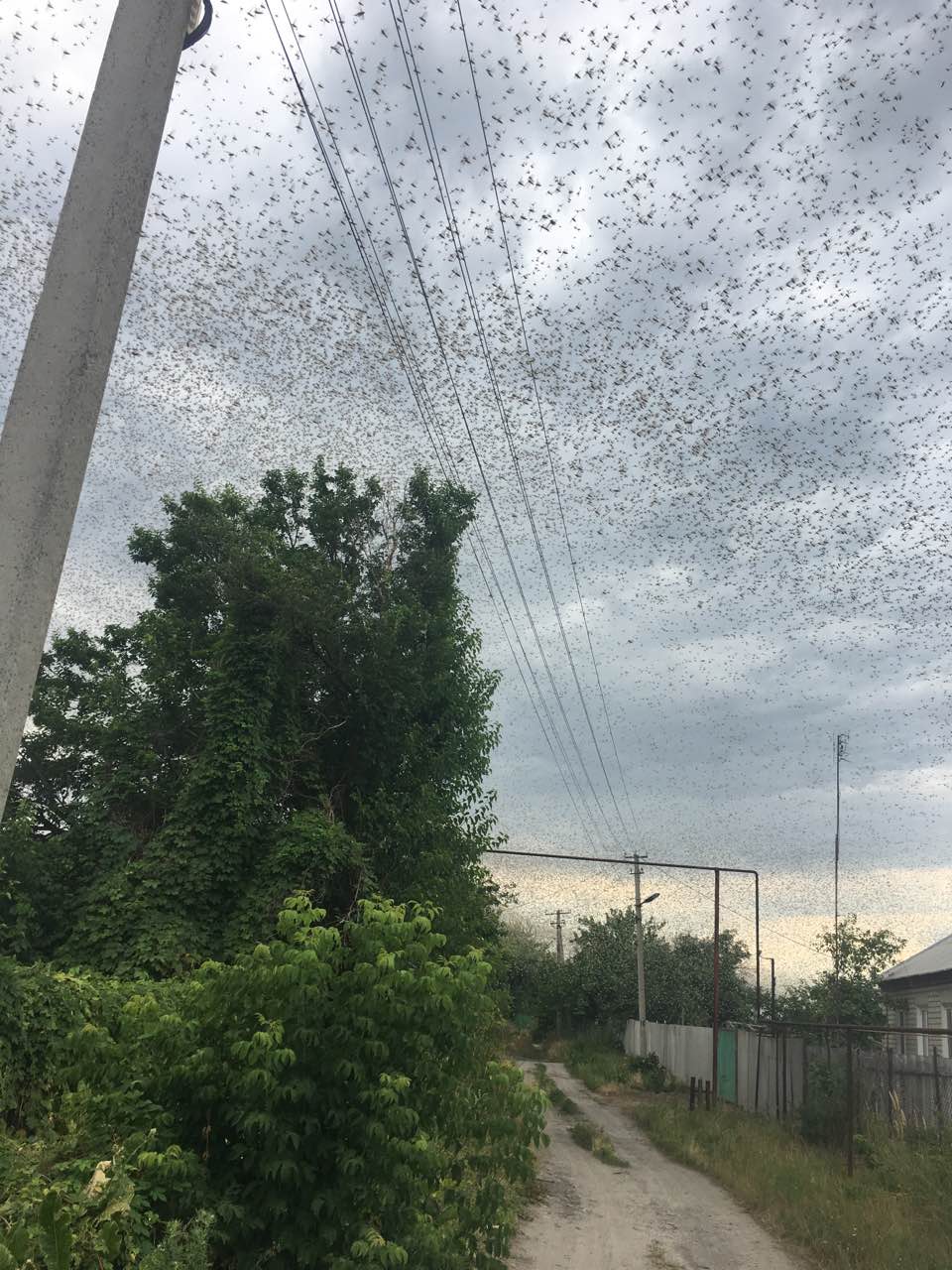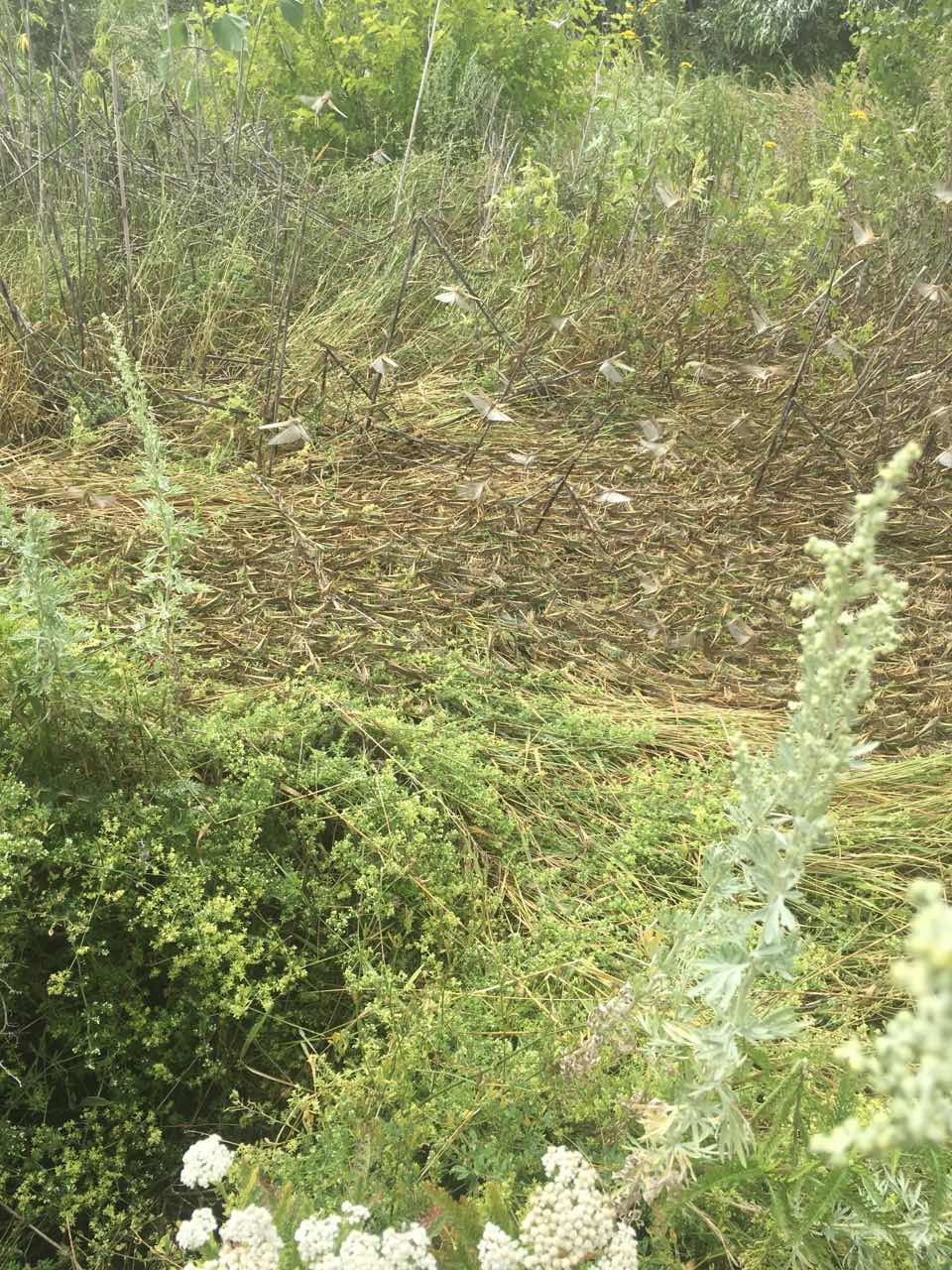
За дорученням Президента НААН, академіка Гадзало Я.М. керівництво оперативно направило співробітників інституту :зав.лаб. прогнозів, к.с.г.н. Федоренко А.В., н.с. лаб. технології застосування пестицидів Бащенко М.М. оперативно відреагували на масовий спалах саранових у Станично-Луганській район, Луганської області, де 12 липня було відмічено заліт зграї саранових з території лінії розмежування (землі рибгоспу на території Валуйської селищної ради), за чисельності більше 50,0 екз/м2, що значно перевищувала ЕПШ.
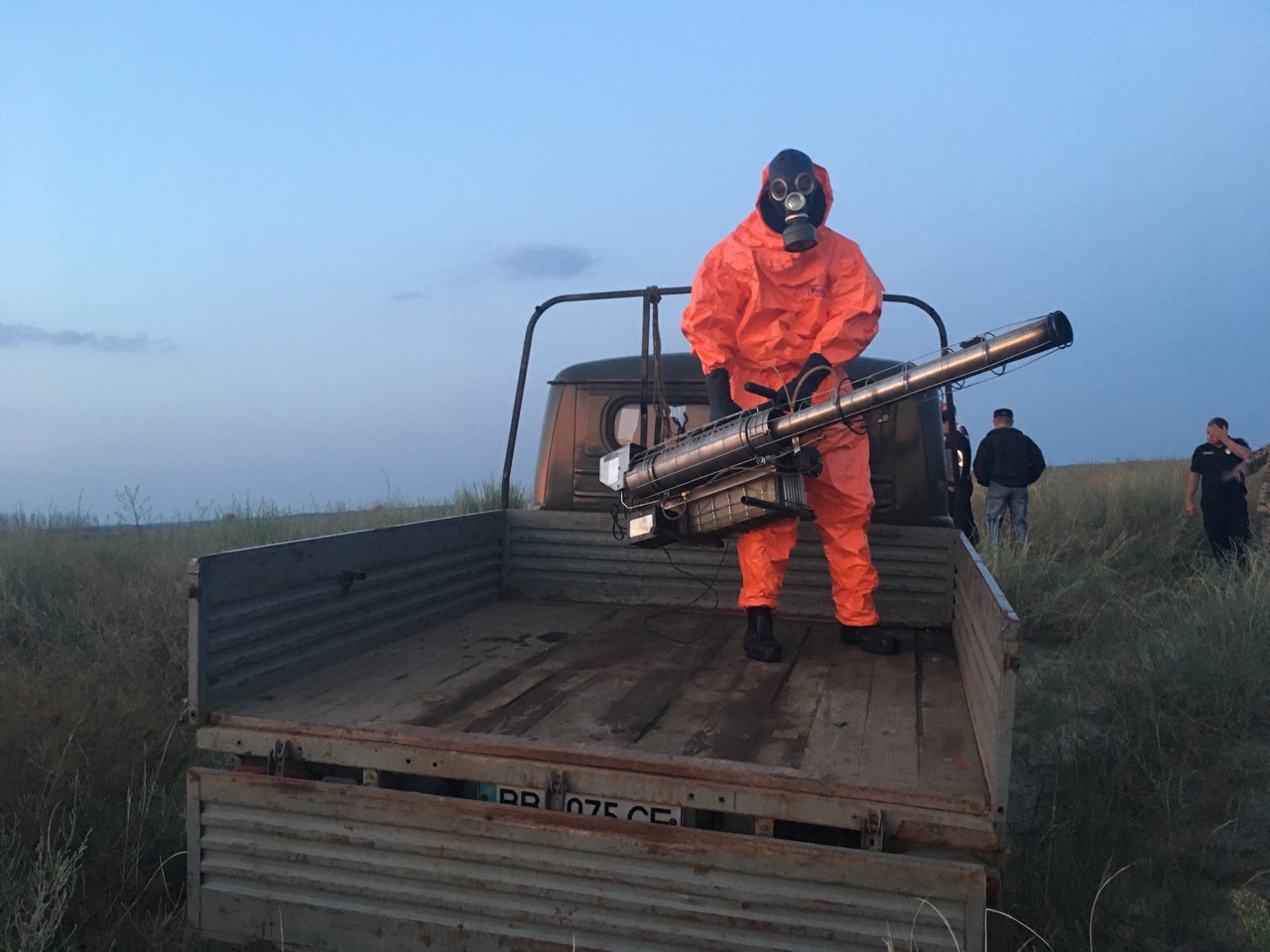
Оскільки вогнище розповсюдження цього небезпечного шкідника розташоване на лінії розмежування, виникла проблема щодо контролю її чисельності. Тут неможливе використання сільськогосподарської авіації, а наявність мінних полів – ускладнює проведення будь яких наземних заходів з ліквідації саранових. До екстрених заходів було залучено підрозділи МНС, військових саперів та авіа спостереження безпілотними літальними апаратами для визначення меж розповсюдження сарани. В результаті проведена обробка залежних земель із застосуванням хімічних засобів захисту рослин.
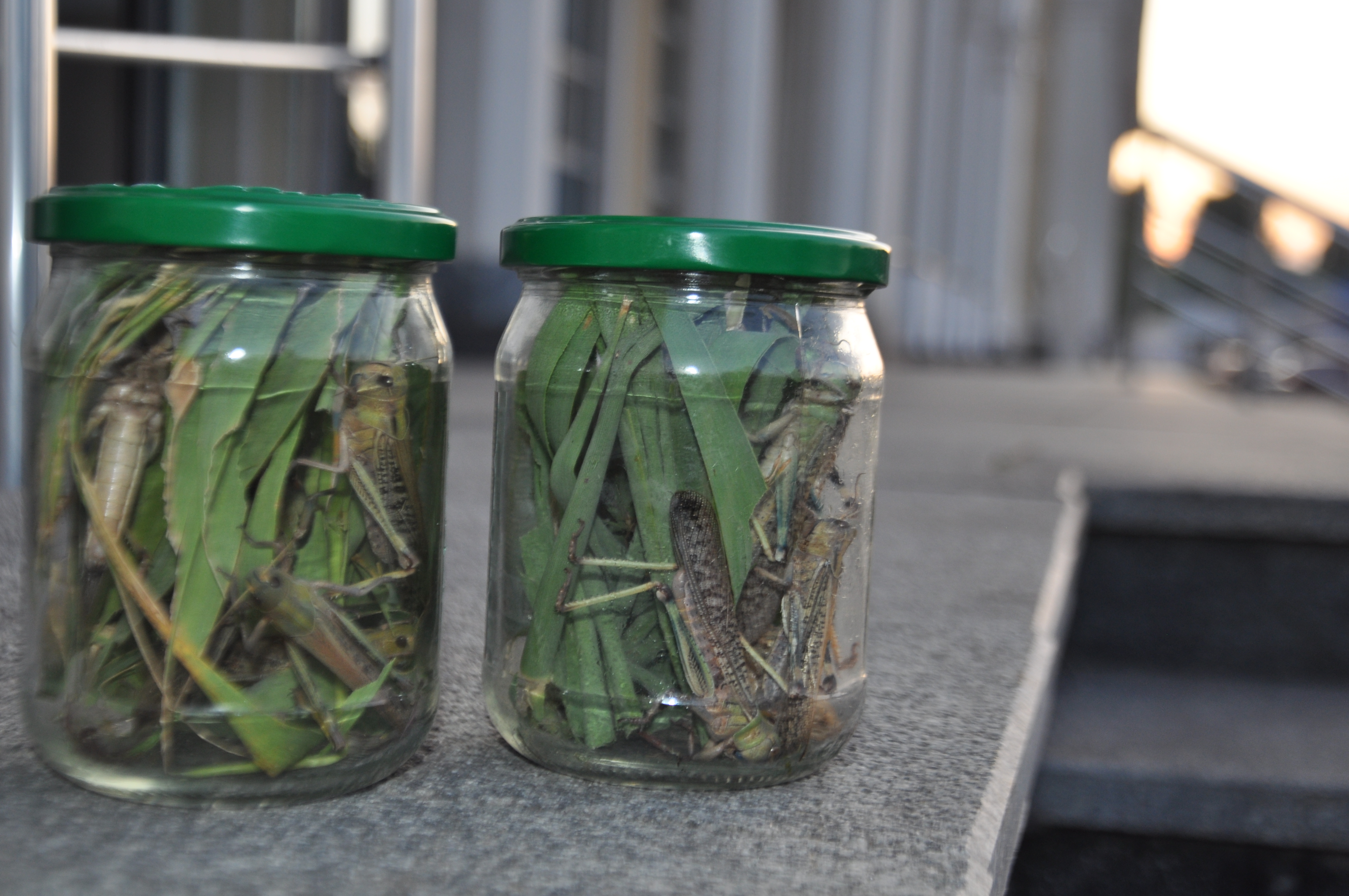
За сприяння начальника управління фітосаніторної безпеки Головного управління Держпродспоживслужби Луганської області, Ляскевича І. Ю. та головного спеціаліста, державного фітоінспектора Головного управління Держпродспоживслужби Луганської області Сухаревського С. А., проведенні обстеження на полях с.-г. культур, де відмічені зграї саранових угрупувань та безпосередньо у місцях резервацій – на закинутих землях і прилеглих територіях. Співробітниками ІЗР визначено видовий склад шкідника – сарана перелітна (Locusta migratoria L.). Встановлено, що після проведення захисних заходів її чисельність складає в осередках до 2,0 екз/м2, що на рівні або нижче ЕПШ. Також надано консультації відповідним службам на місцях щодо проведення захисних заходів, з урахуванням особливостей зони проведення нагляду.
Особлива увага приділяється місцям резервації, для своєчасного виявлення не лише сарани, що мігрує, а й личинок стадних видів. В разі виявлення осередків масового розмноження проводити захисні обробки зареєстрованими пестицидами за чисельності личинок 10,0-15,0 екз./м2 нестадних форм саранових, і 2,0-5,0 екз./м2 стадних форм.