

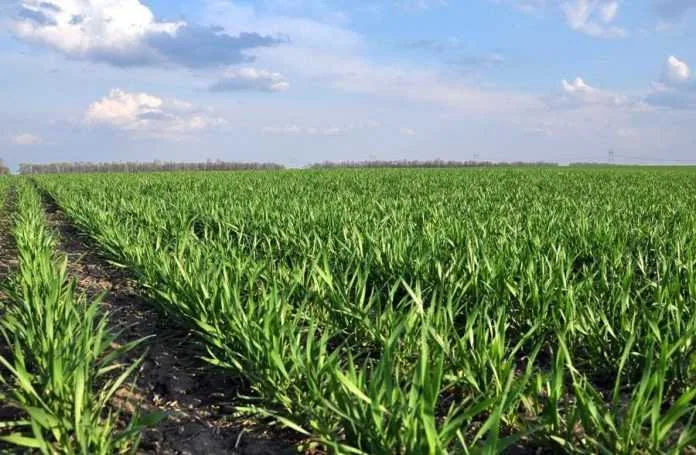
В посівах ріпаку озимого шкодять хрестоцвіті блішки – заселено 1-34% площ, максимально 100% (Полтавська, Київська обл.), 1-3% рослин за чисельності 0,1-4,0 екз./м2, пошкоджено 1-7% рослин (Дніпропетровська, Житомирська, Полтавська, Київська, Одеська, Черкаська, Херсонська, Сумська, Чернігівська, Чернівецька, Запорізька обл.), білокрилки – заселено 3-50% площ, 3-6% рослин за чисельності 1,5-3 екз./рослину, пошкоджено 3-7% рослин (Полтавська, Чернівецька, Дніпропетровська обл.), ріпаковий (насіннєвий) прихованохоботник – заселено 8-50% площ, максимально – 80-100% площ (Київська, Львівська обл.), 1-8% рослин за чисельності 0,2-3,0 екз./рослину, пошкоджено 1-8% рослин (Дніпропетровська, Київська, Житомирська, Хмельницька, Одеська, Черкаська, Полтавська, Львівська, Чернівецька обл.), стебловий капустяний прихованохоботник – заселено 2-35% площ, максимально – 80% площ (Київська обл.), 1-4% рослин за чисельності 0,2-4,0 екз./рослину, пошкоджено 1-8% рослин (Дніпропетровська, Київська, Рівненська, Одеська, Волинська, Кіровоградська, Чернігівська, Хмельницька, Чернівецька обл.), великий ріпаковий прихованохоботник – заселено 5-50% площ, максимально – 80% площ (Київська обл.), 1-4% рослин за чисельності 0,2-2,0 екз./рослину, пошкоджено 1-8% рослин (Полтавська, Київська, Черкаська, Волинська, Чернівецька, Запорізька обл.) ріпаковий квіткоїд – заселено 1-40% площ, максимально – 78-100% площ (Рівненська, Полтавська, Львівська обл.), 1-35% рослин за чисельності 0,2-4,0 екз./на рослину, пошкоджено 0,8-50% рослин (Дніпропетровська, Житомирська, Рівненська, Полтавська, Львівська, Одеська, Черкаська, Херсонська, Волинська, Чернігівська, Хмельницька, Запорізька, Закарпатська, Чернівецька обл.), оленка волохата – заселено 5-11% площ, 2-5% рослин за чисельності 1-2 екз./рослину, пошкоджено 2-5% рослин (Дніпропетровська, Одеська обл.), озима совка – заселено 15-55% площ, 1-3% рослин за чисельності 0,3-1,0 екз./м2, пошкоджено 1-3% рослин (Київська, Кіровоградська, Хмельницька обл.), личинки хрущів – заселено 15% площ, 1% рослин за чисельності 0,5 екз./м2, пошкоджено 1% рослин (Київська, обл.), дротяники – заселено 50% площ за чисельності 0,5 екз./м2, пошкоджено 1% рослин (Київська, обл.), попелиці – заселено 1,5-5% площ, 0,6-3% рослин за чисельності 3,0-8,0 екз./рослину, пошкоджено 0,5-5% рослин (Одеська, Черкаська, Чернівецька обл.), капустяна міль – заселено 3% площ, 2% рослин за чисельності 0,5-1,0 екз./рослину, пошкоджено 1-2% рослин (Одеська обл.), білани – заселено 5% площ, 2% рослин за чисельності 0,5-1,0 екз./рослину, пошкоджено 1-2% рослин (Одеська обл.), ріпаковий листоїд – заселено 14-15% площ, 2% рослин за чисельності 1,0-1,1 екз./м2, пошкоджено 1-4% рослин (Херсонська, Кіровоградська обл.),
Альтернаріозом уражено 3,5-34% площ ріпаку озимого, максимально – 70% площ (Київська обл.), 1,5-6% рослин за розвитку хвороби 0,1-2% (Кіровоградська, Хмельницька, Дніпропетровська, Черкаська, Запорізька, Київська, Житомирська, Рівненська, Чернівецька обл.), пероноспорозом – 1-35% площ, максимально 100% (Полтавська обл.), 1-9% рослин за розвитку хвороби 0,1-5% (Дніпропетровська, Житомирська, Одеська, Херсонська, Полтавська, Черкаська, Волинська, Чернігівська, Чернівецька, Хмельницька обл.), фомозом – 3-22% площ, максимально 80-100% (Київська, Полтавська обл.), 1-10% рослин за розвитку хвороби 0,1-10% (Житомирська, Київська, Одеська, Рівненська, Херсонська, Полтавська, Закарпатська, Черкаська, Дніпропетровська, Миколаївська, Хмельницька обл.), бактеріозом – 1-42% площ, 2-4% рослин за розвитку хвороби 0,5-1% (Київська, Чернівецька обл.), циліндроспорізом – 5% площ, 2-3% рослин за розвитку хвороби 0,5% (Одеська обл.).
Багатоїдні шкідники.
Дротяники, несправжні дротяники, личинки хрущів: у посівах озимих культур і багаторічних трав, на висіяному насінні ярих культур, у насадженнях плодових та ягідних культур відмічені на 15-60% площ, максимально – на 100% площ (Київська, Хмельницька обл.), на 0,5-3% рослин у кількості 0,1-1,0 екз./м2, пошкоджено 1-3% рослин у слабкому ступені (Дніпропетровська, Київська, Сумська, Харківська, Хмельницька обл.).
Піщаний мідляк: у посівах озимих зернових культур, ріпаку озимого, ячменю ярого, гороху, соняшнику, багаторічних трав, відмічений на 2-52% площ, максимально – на 100% площ (Дніпропетровська, Кіровоградська, Харківська обл.), в кількості 0,2-3,0 екз./м2, пошкоджено 0,5-3% рослин в слабкому ступені (Дніпропетровська, Кіровоградська, Одеська, Харківська обл.).
Підгризаючі совки (озима, оклична): у посівах озимих зернових культур, ріпаку озимого, багаторічних трав, на неорних землях гусеницями заселено 11-55% площ, максимально – 100% площ (Хмельницька обл.), 0,5-2% рослин, у кількості 0,3-1,0 екз./м2, максимально – до 2,0 екз./м2 (Хмельницька обл.), пошкоджено 1-4% рослин в слабкому ступені (Дніпропетровська, Київська, Кіровоградська, Сумська, Харківська, Хмельницька обл.).
Білани: у посівах ріпаку озимого, садах, на неорних землях, невгіддях на 0,5-10% площ відмічено літ метеликів у кількості 1-3 екземпляри в полі зору за 10 хв., гусениці виявлені на 2-3% площ у кількості 0,5-1 екз./рослину або до 1 екз. на 1 м погонний гілки (Дніпропетровська,Одеська, Херсонська обл.).
Мишоподібні гризуни: у посівах пшениці озимої, ріпаку озимого, на орних землях під посів кукурудзи, неорних землях заселено 5-10%, максимально – до 100% (Львівська, Хмельницька обл.), площ у кількості від поодиноких нір до 2 колоній/га за 1-6 жилих нір/колонію (Кіровоградська, Львівська, Хмельницька обл.).
Оленка волохата: у посівах ріпаку озимого на 5-11% площ по краю поля відмічено шкідника в кількості 1,0-2,0 екз./рослину, пошкоджено 2-5% рослин переважно в легкому ступені (Дніпропетровська, Одеська обл.); у садах – заселено 5-50% площ, 3-10% дерев у кількості 1-4 екз./дерево (Одеська, Черкаська обл.).
Підготовлено лабораторією прогнозів та карантину рослин ІЗР НААН за матеріалами регіональних установ НААН і Держпродспоживслужби
Галаган Т.О.
Федоренко А.В.
Бахмут О.О.
Вовкотруб О.М.