

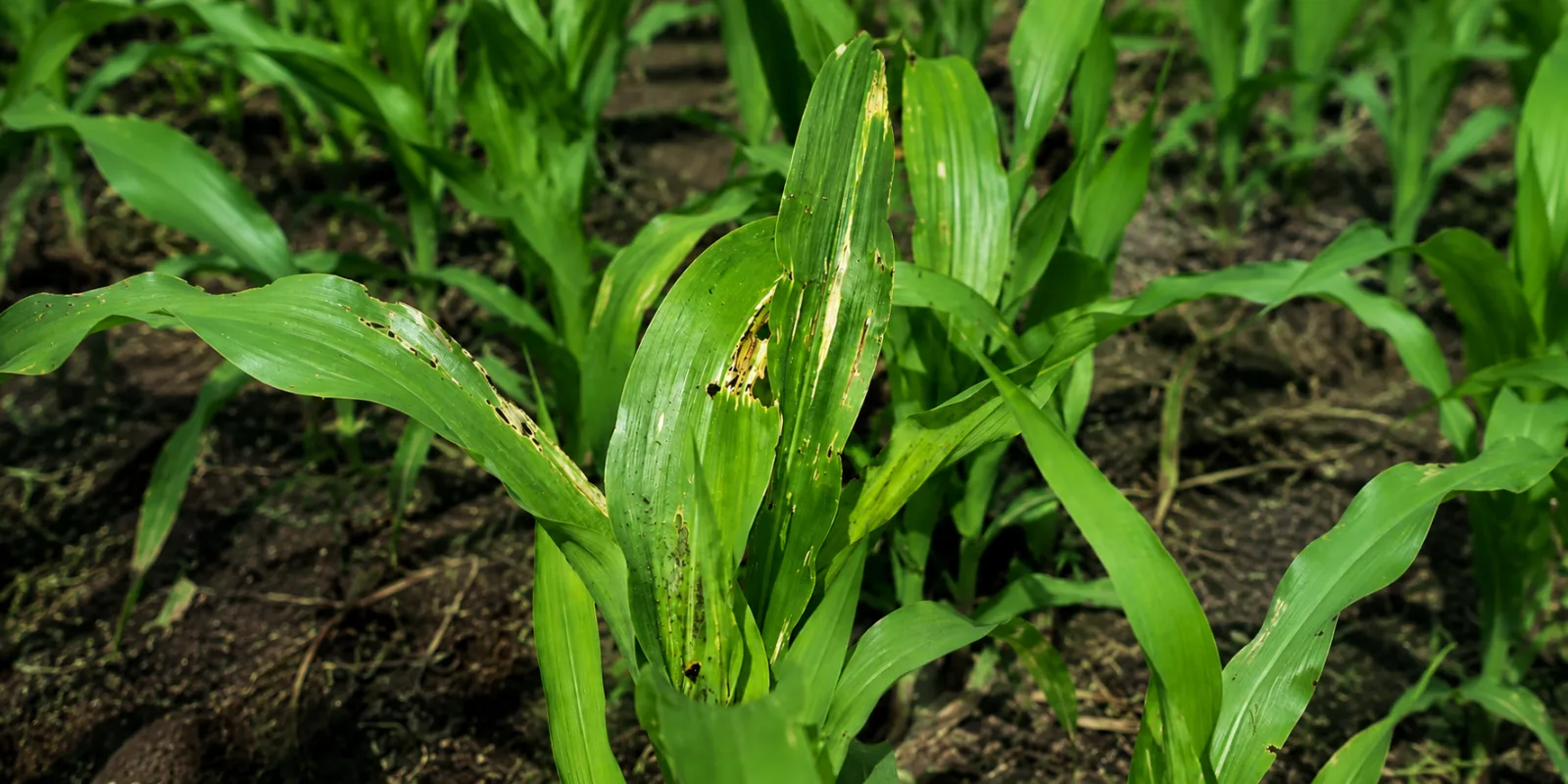
В посівах ріпаку озимого шкодять хрестоцвіті блішки – заселено 2-10% площ, 2-6% рослин за чисельності 0,2-3,0 екз./м2 , пошкоджено 1,5-3% рослин (Житомирська, Черкаська обл.), білокрилки – заселено 35 % площ, 3-6% рослин за чисельності 1,0-3,0 екз./рослину, пошкоджено 3,5-7% рослин (Дніпропетровська обл.), ріпаковий (насіннєвий) прихованохоботник – заселено 15-30 % площ, максимально 58% (Кіровоградська обл.), 1,0-7% рослин за чисельності 1,0-3,0 екз./рослину, пошкоджено 1-7% рослин (Дніпропетровська, Житомирська, Рівненська, Херсонська, Волинська, Кіровоградська, Черкаська обл.), стебловий капустяний прихованохоботник – заселено 7-35 % площ, 0,5-4 % рослин за чисельності 0,1-2,0 екз./рослину, пошкоджено 0,5-7% рослин (Дніпропетровська, Житомирська, Рівненська, Запорізька, Херсонська, Тернопільська обл.), великий ріпаковий прихованохоботник – заселено 15-16 % площ, 1-7% рослин за чисельності 0,1-2,0 екз./рослину, пошкоджено 1-7% рослин (Волинська, Запорізька, Житомирська обл.), ріпаковий квідкоїд – заселено 1-40 % площ, максимально 54-100% (Кіровоградська, Тернопільська обл.), 1,2-22% рослин за чисельності 0,3-5,0 екз./на рослину, пошкоджено 1,2-11% рослин (Дніпропетровська, Сумська, Житомирська, Рівненська, Черкаська, Херсонська, Волинська, Тернопільська, Кіровоградська, Чернігівська, Запорізька, Закарпатська обл.), оленка волохата – заселено 3-24 % площ, максимально 93% (Кіровоградська обл.), 1-4% рослин за чисельності 1-3 екз./рослину, пошкоджено 2-4% рослин (Дніпропетровська, Кіровоградська, Чернігівська обл.), попелиці – заселено 18 % площ, 1,5-3% рослин за чисельності 1 екз./рослину, пошкоджено 2-4% рослин (Дніпропетровська обл.).
Альтернаріозом уражено 2-46% площ 0,7-15% рослин за розвитку хвороби 0,2-4% ріпаку озимого (Кіровоградська, Дніпропетровська, Черкаська, Запорізька, Рівненська, Волинська, Херсонська, Чернігівська обл.), пероноспорозом – 2-38% площ, 1-9% рослин за розвитку хвороби 0,1-5% (Дніпропетровська, Житомирська, Херсонська, Черкаська, Волинська, Кіровоградська, Тернопільська обл.), фомозом – 3-22% площ, 1-17% рослин за розвитку хвороби 0,2-2% (Житомирська, Рівненська, Херсонська, Закарпатська, Черкаська, Дніпропетровська, Кіровоградська обл.), бактеріозом – 50% площ, 4% рослин (Полтавська обл.), циліндроспорізом – 9% площ, 0,6-2% рослин за розвитку хвороби 0,5% (Тернопільська обл.), борошнистою росою – 6% площ, 6,5-10% рослин за розвитку хвороби 2% (Черкаська обл.).
Посіви сої пошкоджують бульбочкові довгоносики – за чисельності 0,3 екз./м2 пошкоджено 1% рослин (Полтавська обл.).
Підготовлено лабораторією прогнозів та карантину рослин ІЗР НААН за матеріалами регіональних установ НААН і Держпродспоживслужби
25 травня 2026 р.
Галаган Т.О.
Федоренко А.В.
Бахмут О.О.
Вовкотруб О.М.